OG-0600 Ownership
Jeep Wrangler Won’t Start: Clicking, Cranking, No Crank and Other Causes
7 min read Rev. Sep 29, 2026
Checklist
- Rapid clicking almost always means low battery voltage or bad battery connections.
- Dash lights on is not proof the battery is good; starting needs far more current.
- Manual Wranglers will not crank unless the clutch is pressed to the floor, except in 4L.
- JL backup start: hold the nose of the key fob against the START/STOP button.
- The JL secondary battery sits behind the front passenger wheel well; jump only from the main battery.
- Starts then dies after about two seconds: the Sentry Key immobilizer did not recognize the key.
- Recall 18V-524 replaced PCMs on some 2017-2018 Wranglers for a stall or no-start fault.
Procedure
When a Jeep Wrangler won’t start, what it does when you turn the key or push the button tells you where to look. Rapid clicking means low battery voltage or a bad connection. One click and no crank points to the starter, or to a battery that has almost nothing left. Dash lights but no crank can be a weak battery, a clutch or brake switch, or the transmission not fully in Park. Cranks but won’t fire means fuel, spark, the immobilizer or a sensor. Starts then dies within seconds is usually the Sentry Key immobilizer.
The JL (2018 on) adds two causes older Jeeps do not have: a key fob the vehicle cannot detect, and a second battery for the Stop/Start system. The JK (2007 to 2018) uses a key but has its own common faults, including the power module that controls many relays. Work from the cheapest checks up.
Diagnose by symptom
| What happens | Most likely causes | First check |
|---|---|---|
| Nothing at all, no lights | Dead battery, disconnected terminal, main fuse | Battery terminals and voltage |
| Rapid clicking | Discharged battery, corroded or loose cables | Clean terminals, jump start |
| Single click, no crank | Starter motor or solenoid, bad ground, very weak battery | Load test battery, check starter connections |
| Lights on, nothing when you try to start | Clutch not fully pressed (manual), brake not pressed (push button), not fully in Park, weak battery | Pedals and shifter position |
| Cranks normally, won’t fire | Fuel pump or relay, crank position sensor, flooded engine, immobilizer | Listen for fuel pump prime; scan for codes |
| Starts, dies after about two seconds | Sentry Key immobilizer not recognizing the key | Watch the security light; try the spare key |
| Push button does nothing, “key not detected” type message | Weak fob battery, interference | Use the fob backup method |
| Slow, labored crank | Weak battery, cold weather, failing starter | Battery load test |
Clicking but won’t start
A rapid clicking sound is the starter solenoid engaging and dropping out because voltage collapses as soon as the starter draws current. The dash lights may come on and even look normal, because lights need only a trickle of current and the starter needs hundreds of amps.
- Look at the battery terminals. White or green crust, or a clamp you can twist by hand, is enough to stop a start. Clean both terminals and tighten them.
- Check the ground cables from the battery to the body and engine. Off-road Jeeps flex, and grounds loosen.
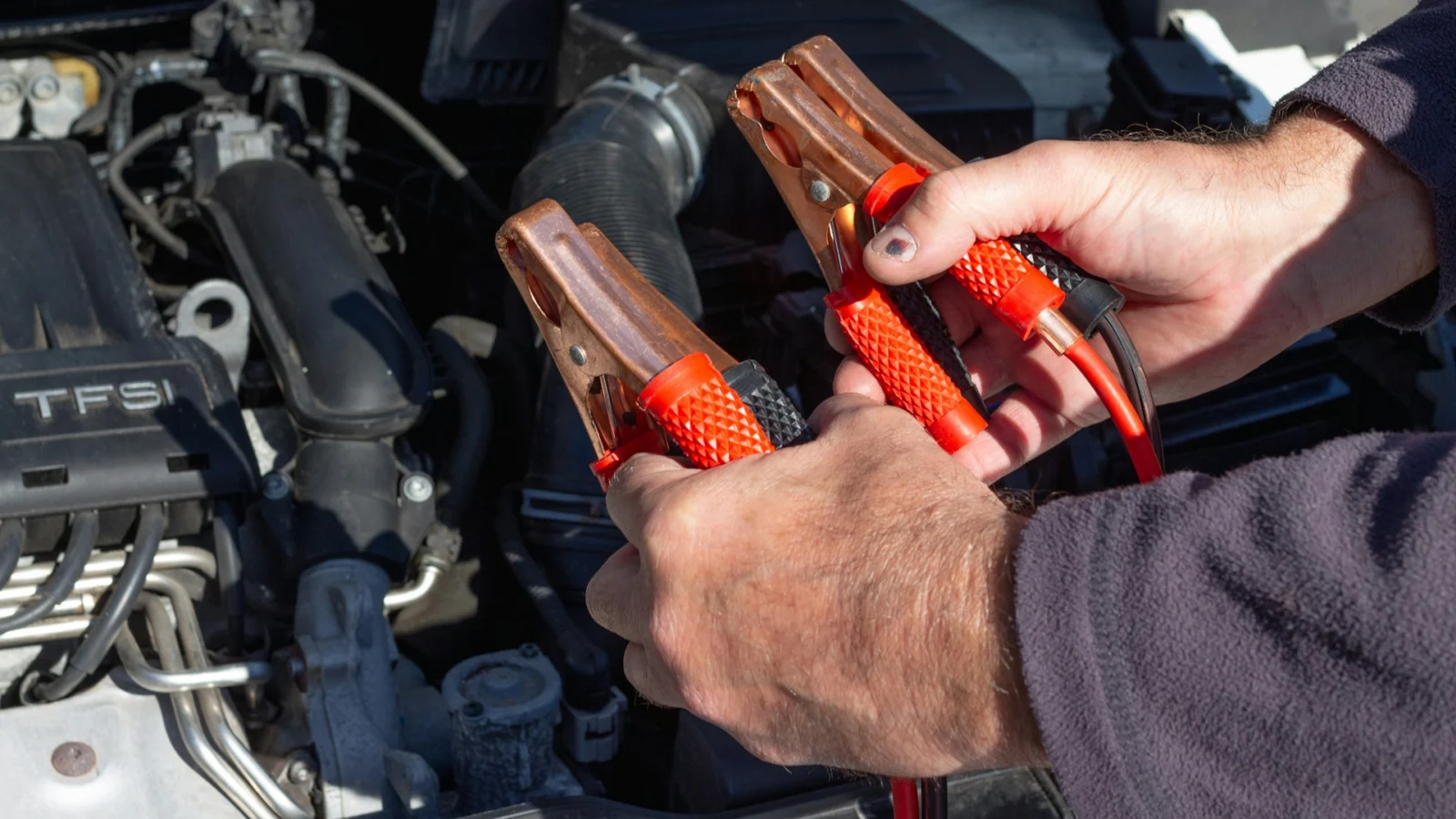
- Jump start or use a booster pack. If it starts right away, the battery or its connections were the problem.
- Load test the battery. Most parts stores do this for free. Batteries in hot climates often last three to five years.
- Test the charging system with the engine running. A failing alternator drains a new battery within days.
If the battery keeps dying overnight, something is draining it. Common culprits on Wranglers are interior or cargo lights left on with the doors or tailgate open, aftermarket accessories wired directly to the battery, and an alarm system that keeps waking up. See how to turn off Wrangler interior lights, how to turn off Wrangler headlights and why a Wrangler alarm keeps going off.
Lights on but won’t crank
Manual transmission. Jeep’s JK and JL manuals say the engine will not start unless the clutch pedal is pressed to the floor. A thick floor mat or a worn clutch switch can stop the pedal from reaching the switch. The exception, per the JL manual: in 4WD Low, if the vehicle has stalled, the engine will start without the clutch pressed, which helps on the trail.
Automatic transmission. The shifter must be fully in Park or Neutral. Try shifting to Neutral and starting. If it starts in Neutral but not Park, the range sensor needs attention.
Push-button JL. Press the brake firmly while pushing START/STOP. A faulty brake light switch can stop the start and can also affect shifting out of Park. Recall 18V-098 replaced brake switches on some 2017 Wranglers for a related fault.
Starter. If the battery load tests good and all the switches check out, a single click or silence points to the starter or its wiring. Tapping the starter is an old trick that sometimes gets one more start from a worn starter, but it only confirms the diagnosis.
Cranks but won’t start
If the engine turns over normally but will not fire, it is missing fuel, spark or permission from the security system.
- Fuel pump. Turn the ignition to ON and listen near the rear of the Jeep for a two-second hum as the pump primes. No hum suggests the pump, its relay or its fuse. On JK models, many relays are built into the under-hood power distribution module (the TIPM), which owners commonly report as a source of electrical faults, including no-start conditions.
- Flooded engine. Jeep’s JL manual says that if the engine fails to start after the normal procedure, it may be flooded: hold the accelerator to the floor and crank for no more than 15 seconds, then release the pedal and repeat the normal starting procedure.
- Crankshaft or camshaft position sensor. A failed crank sensor stops the computer from firing the injectors and coils. It usually sets a code and often fails when hot first.
- Empty tank or a wrong fuel gauge. It happens, especially if the cluster has been acting up. Recall 24V-652 replaced instrument clusters on some 2018 to 2024 JL Wranglers that could fail to display gauges.
- Powertrain control module. Recall 18V-524 covered certain 2017 and 2018 Wranglers whose PCM could have a failing voltage regulator chip, causing a stall or no-start. Dealers replaced the module free.
Never pour fuel into the throttle body to get it running; Jeep’s manual warns this can cause a flash fire.
Key fob and immobilizer problems
Every JK and JL has the Sentry Key immobilizer. The key or fob contains a chip the vehicle must recognize. Jeep’s manuals explain that with an invalid key, the engine shuts off after about two seconds and the vehicle security light flashes or stays on.
- Try the spare key or fob. If the spare works, the first key’s chip or battery is the problem.
- Push-button JL with a weak fob: the JL manual’s backup method is to put the nose side of the fob, the end with the mechanical key, against the START/STOP button and push. Do not use the metal key blade itself.
- Replace the fob battery if the lock buttons have become unreliable too.
- Aftermarket remote starts and alarms can interfere with the immobilizer if the bypass module fails.
- Programming. New or replacement keys must be programmed to the vehicle. A dealer or qualified locksmith does this.
The JL auxiliary battery
JL Wranglers with engine Stop/Start have two 12-volt batteries. Jeep’s manual says the secondary battery powers the Stop/Start system and the 12-volt electrical system, and is located behind the wheel well for the front passenger wheel. It is small and often overlooked.
When it weakens, owners commonly report a “Service Stop/Start System” message, Stop/Start that no longer works, and assorted electrical oddities. Jeep’s manual says that if the Stop/Start system has a fault, the engine may not auto-start and will need a key start. The main battery under the hood is still what cranks the engine, so a weak main battery remains the more common no-start cause. Test both.
Three rules from Jeep’s JL manual matter here:
- Jump start only from the main battery’s positive post. Jeep warns that jump starting from the supplemental battery could cause serious injury or death.
- Disconnect both batteries to fully de-energize the 12-volt system before electrical work.
- Do not use a booster source above 12 volts, and do not jump a frozen battery.
On a 4xe plug-in hybrid, a weak 12-volt battery can also stop the vehicle from entering Ready mode, even with a charged high-voltage battery. More in Wrangler 4xe problems.
Cold weather and after water crossings
Cold slows battery chemistry and thickens oil, so a battery that was marginal in fall fails on the first cold morning. Winter prep belongs in the Wrangler winter upgrades guide. After a deep water crossing, do not keep cranking an engine that stalled in water: water in the intake can bend connecting rods. Check the air filter and have it inspected before restarting.
What repairs cost
Typical US ranges as of 2026, installed:
- Battery terminal cleaning or cable end: $0 to $150
- Main battery: $200 to $400
- JL auxiliary battery: $100 to $300
- Starter motor: $350 to $800
- Alternator: $500 to $1,000
- Fuel pump module: $600 to $1,300
- Crankshaft position sensor: $150 to $400
- Clutch or brake switch: $100 to $250
- Key fob programming or replacement: $150 to $500
Before paying for a PCM, cluster or other electrical repair, enter your VIN at NHTSA’s recall lookup. If warning lights accompanied the no-start, the Wrangler dashboard lights guide explains them, and stored codes can be read as described in the check engine light guide. The single most useful tool for a Wrangler that sometimes will not start is a cheap multimeter: a resting battery reading well below about 12.4 volts tells you where to start before you buy a single part.
Troubleshooting
Owners also ask
Q1 Why won't my Jeep Wrangler start but the battery is good?
A battery that runs the lights can still be too weak to crank, so have it load tested first. If it truly is good, check the terminals and ground cables for corrosion, the starter and its connection, the clutch pedal switch on manuals, the brake switch on push-button JLs, and the gear selector being fully in Park. If it cranks but does not fire, suspect fuel delivery, the immobilizer or a crank sensor.
Q2 Why does my Jeep Wrangler just click when I try to start it?
Rapid clicking means the starter solenoid is engaging but there is not enough current to turn the motor, which is almost always a discharged battery or a loose or corroded connection. A single loud click with no cranking and a charged battery points to the starter motor or its solenoid. Clean and tighten both battery cables before replacing anything.
Q3 How do I start my Jeep Wrangler if the key fob is dead?
On a push-button JL, Jeep's owner's manual describes a backup method: put the nose side of the key fob, the side with the mechanical key, against the START/STOP button and push. The fob can then be read even with a weak fob battery. Press the brake (or clutch) as usual. Replace the fob battery soon afterward.
Q4 Can the auxiliary battery keep a JL Wrangler from starting?
The secondary battery powers the Stop/Start system and supports the 12-volt system. When it weakens, owners commonly report a Service Stop/Start message and electrical glitches, and Jeep's manual says the engine may then need a key start rather than auto restart. Have both batteries tested; a weak main battery is still the more common no-start cause.
Q5 Why does my Jeep start and then die immediately?
If the engine starts and shuts off after about two seconds with the security light flashing or staying on, the Sentry Key immobilizer did not recognize the key or fob. Try your spare key. If it dies after longer, or stumbles, suspect fuel pressure, a vacuum leak or a sensor. A scan for codes will show which.
Q6 Where do you jump start a Jeep Wrangler JL?
Use the main battery under the hood. Jeep's JL manual warns to use only the positive post on the main battery for jump starting, and that jump starting from the supplemental battery could cause serious injury or death. Do not use a booster source above 12 volts, and do not jump start a frozen battery.
See also
Next in the manual
Warning lights
Jeep Wrangler Lightning Bolt Light: What the ETC Warning Means and How to Fix It
The lightning bolt light on a Jeep Wrangler dashboard is the Electronic Throttle Control (ETC) warning. It means the engine computer has found a fault in the throttle body, the accelerator pedal sensor or their wiring. If it stays on steadily, the Jeep is usually drivable but needs service soon. If it flashes, Jeep says immediate service is required: expect reduced power, a rough idle or stalling, and possibly a tow.
Warning lights
Jeep Wrangler Dashboard Lights and Symbols: What Every Warning Light Means
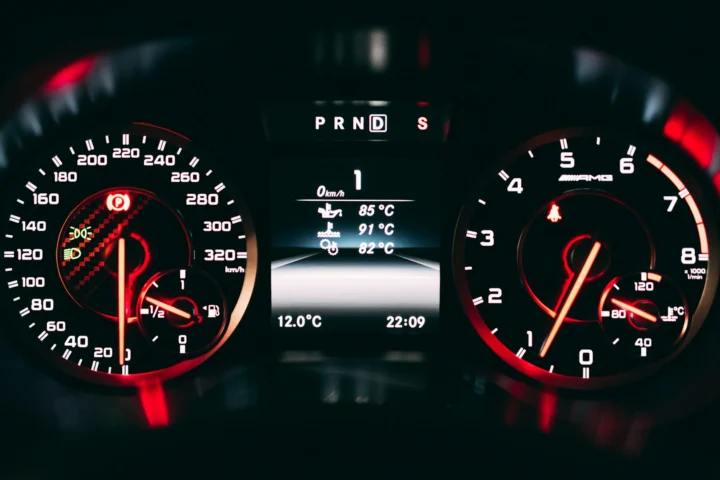
Jeep Wrangler dashboard lights follow a color code. Red means a serious problem or safety issue: stop safely and check it now, for example oil pressure, coolant temperature, brake, battery charge, airbag or the lightning bolt throttle light. Amber or yellow means a fault to fix soon, such as check engine, ABS, tire pressure or traction control. Green, white and blue lights only show a system is on, like headlights, 4WD Auto or high beams.

Engine swaps
Jeep Wrangler Diesel Conversion Cost (Is It Worth It)
A diesel conversion is more expensive than most people expect. A Cummins R2.8 crate engine alone is around $9,000 before anything else, and a complete conversion including transmission adapter, cooling, fuel system, wiring and exhaust realistically runs $15,000 to $30,000. The fuel savings do not repay that within any reasonable ownership period.